DecisionScope™
The Framework
Blog
Pricing
About
Schedule Free Scoping Call
THE BLOG
Frameworks, case studies, and sharp takes on why B2B deals stall, and what to do about it.
All Posts
Problem Conviction
Evaluation Clarity
Outcome Confidence
Organizational Readiness
Field Notes
Sep 29, 2026
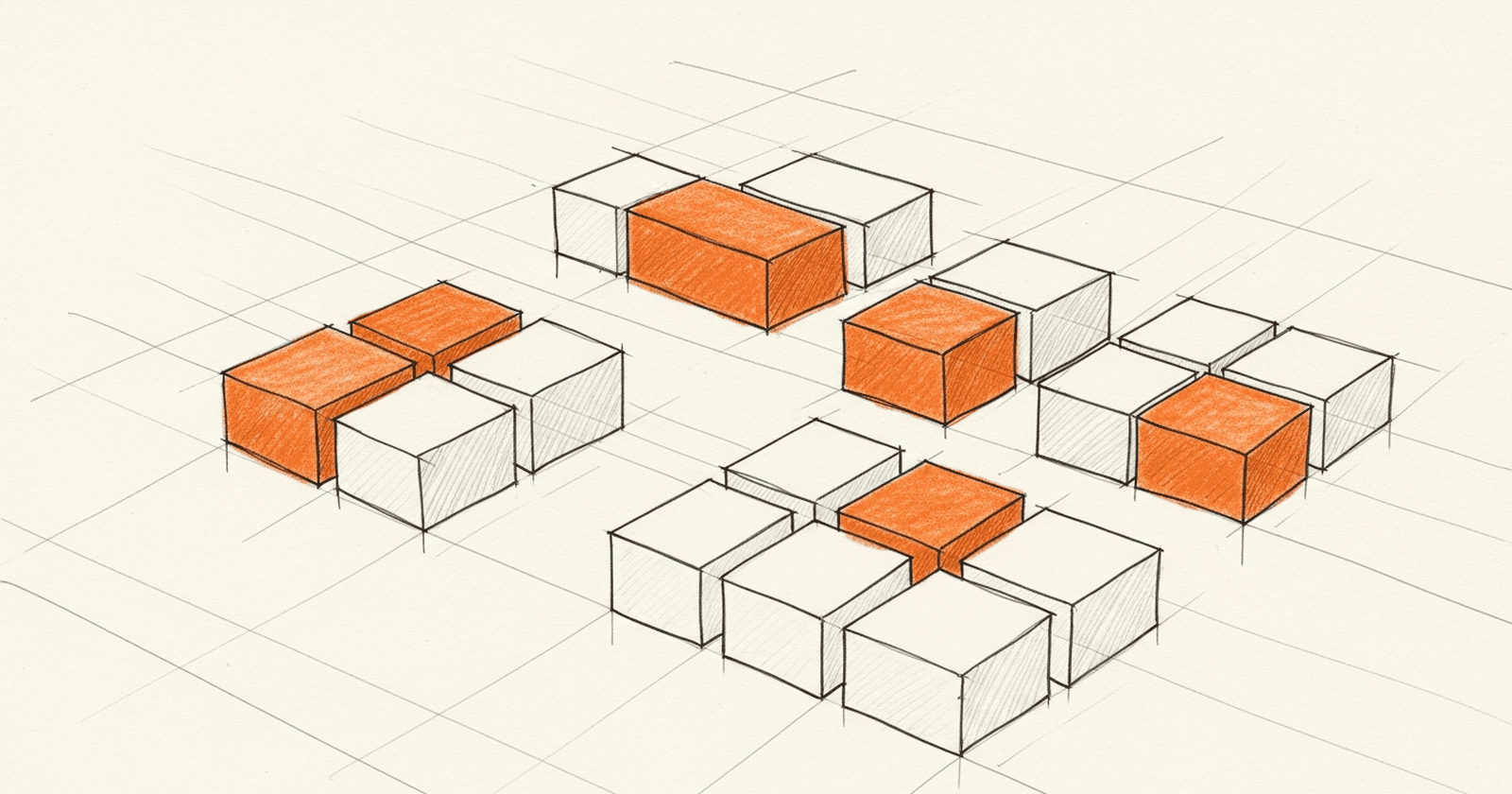
Most founders read a pile of no-decision losses as a sales problem or a positioning problem, then hire or rewrite accordingly. Usually it's neither. Every stalled deal stopped on one of four buyer readiness dimensions, and a fix only works when it lands on that one. Name the dimension before you spend the money.
Jul 6, 2026
Your buyer said the category made total sense, then went quiet on your company. That is not one stall, it is two decisions. They cleared the category gate and stopped at the proof gate. More content won't close it. Proof the buyer generates for themselves will.
Jul 5, 2026
Your champion went dark after promising to run it by the team. They didn't lose interest. They walked into a room already fighting. Seventy-four percent of B2B buyer teams are in unhealthy conflict, and no amount of collateral wins a fight your champion was never equipped to broker. Diagnose the room.
Jul 3, 2026
Sixteen interactions with the winning vendor. That number hasn't moved in three years, through the entire AI wave. The rep-free future everyone restructured around isn't arriving at the touch-count level. Buyers didn't stop needing sellers. They started needing different ones. Stop cutting the interactions. Start earning them.
Jun 28, 2026
The rep-free buyer became the reason B2B teams cut the human out of the sale. But the same surveys that report the rep-free preference also report buyers reaching for sellers more, not less, the moment AI entered the room. Rep-free was never seller-free. Here is what the data actually says.
Jun 23, 2026
Three founding-client pipelines, three deals all scored "qualified" by a real methodology, three completely different reasons they stalled. In every case the methodology was directionally right and mechanistically wrong about where the deal would die. The weakest readiness dimension decides, and the scorecard never names it.
Jun 22, 2026
Most B2B teams spend months proving their product works. Almost none make the buyer calculate what one more quarter of the status quo actually costs. That second argument is the stronger one, because people weigh losses far more heavily than gains. Here is why the cost of inaction goes unmade, and how to fix it before your next pipeline review.
Jun 21, 2026
Two buyers researching together don't cancel out each other's errors. They amplify each other's confidence. Peer-reviewed work shows pairs are more overconfident than individuals, and AI decision tools widen the gap between how sure a committee feels and how right it is. Your most aligned committee is often your riskiest deal.
Jun 20, 2026
Your sales methodology has a foundation date. In 2025, the Journal of Marketing renamed the work of selling: the rep's job is no longer to drive the deal to a close, but to make the buyer better at deciding. Most of the field never got the memo. The no-decision losses are the receipt.
Jun 17, 2026
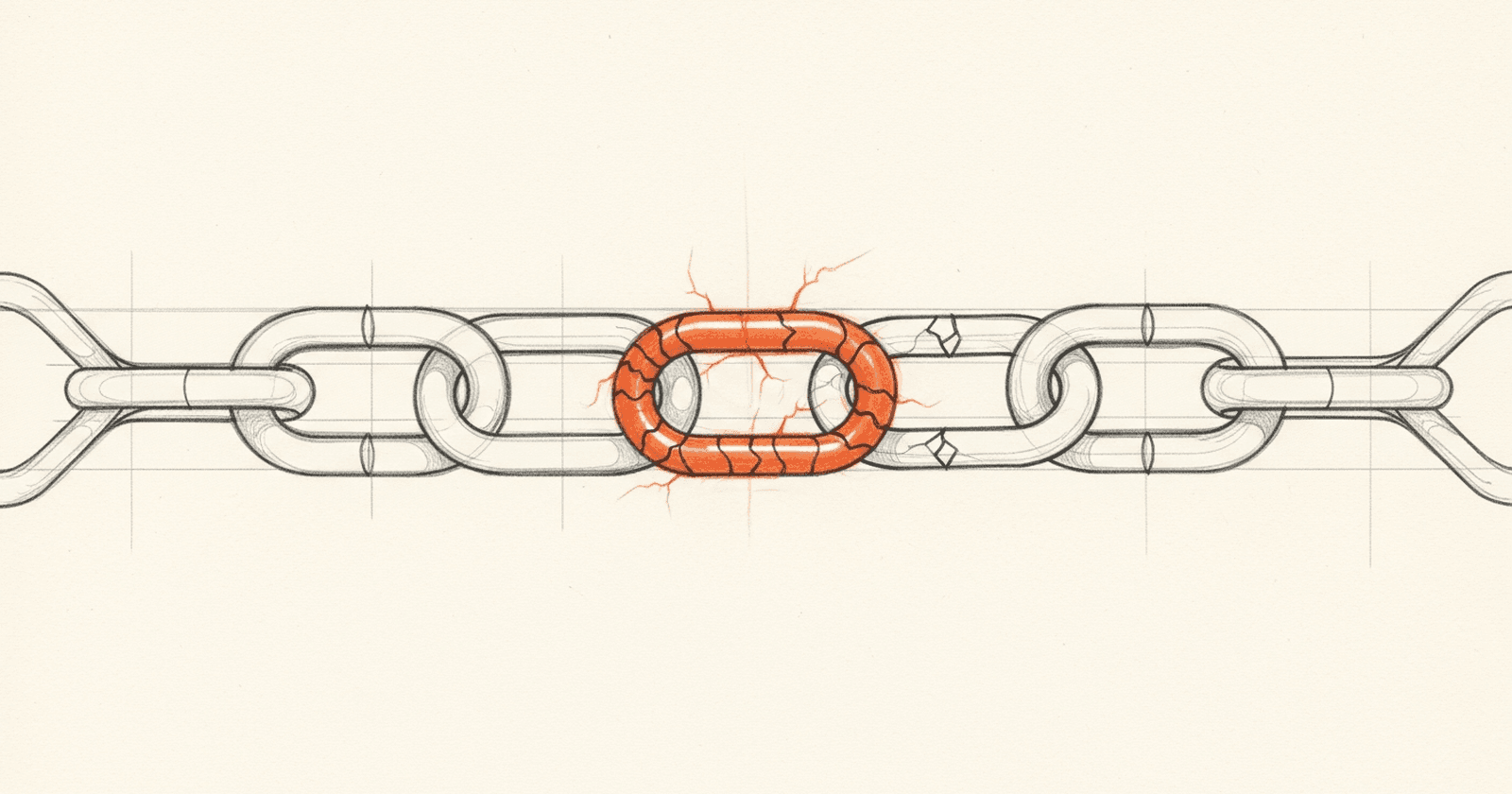
A four-dimension deal review is a weekly pipeline review built around buyer readiness instead of rep activity. For every live deal, the team rates four dimensions, problem conviction, evaluation clarity, outcome confidence, and organizational readiness, on a red/yellow/green scale, then acts on the weakest one. A deal moves at the speed of its weakest link, so the practice surfaces stalls early.
Load More